


YOU MAY ALSO LIKE
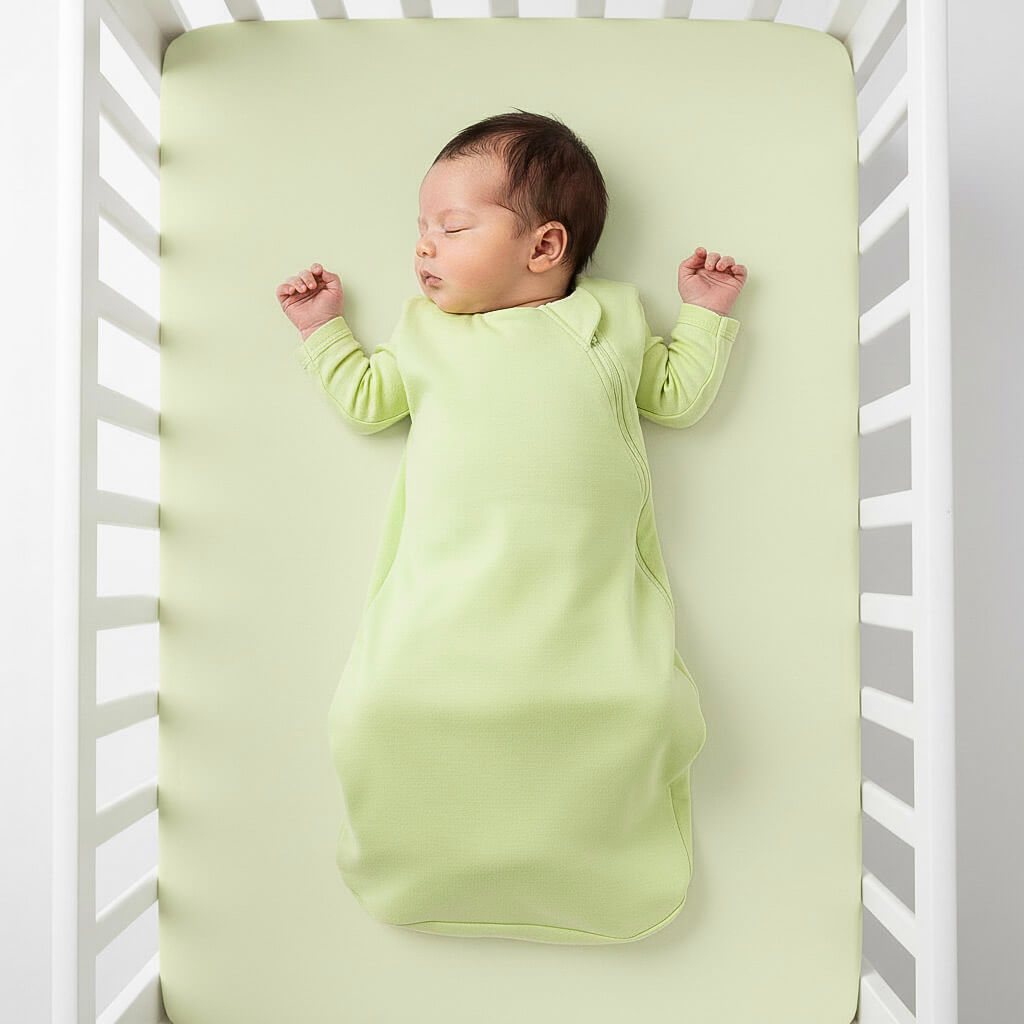
Crib Sheet

Cuddle Blanket
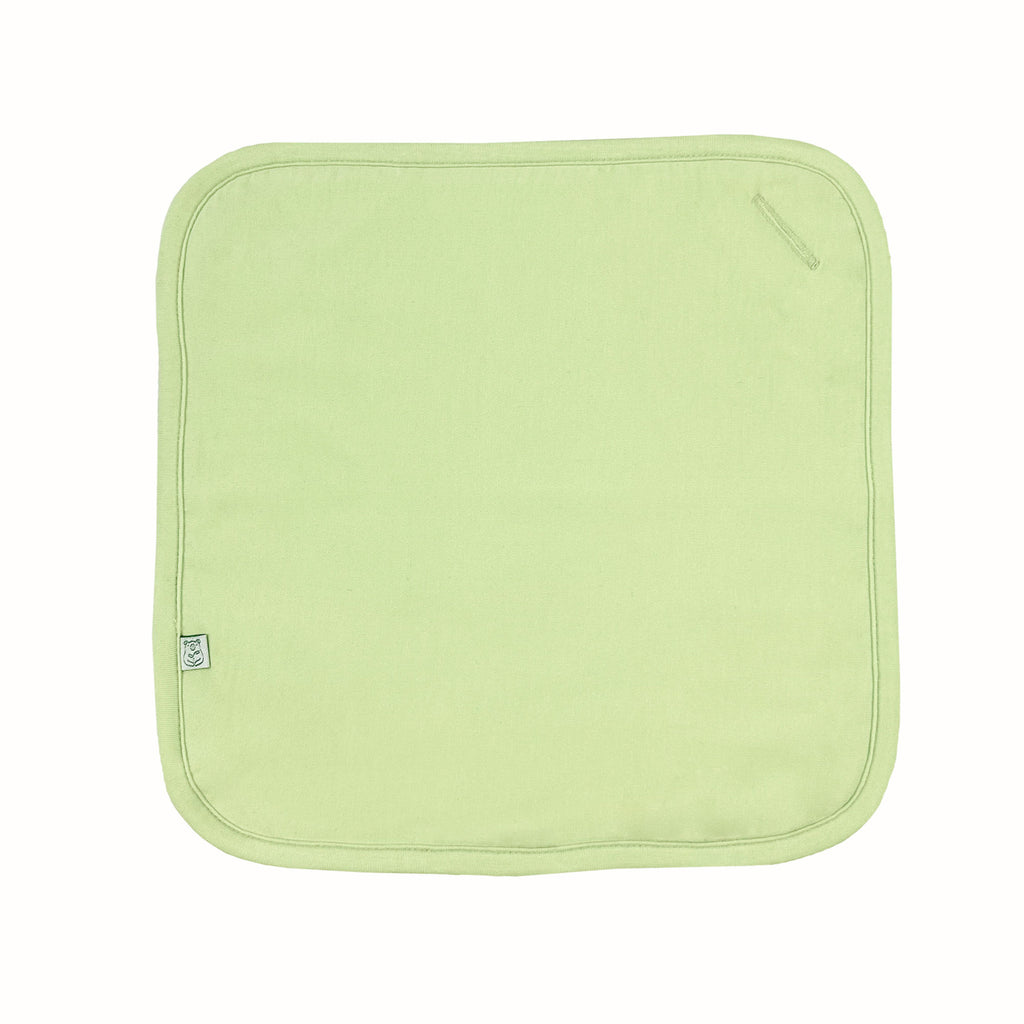


Changing Pad Cover


Crib Sheet

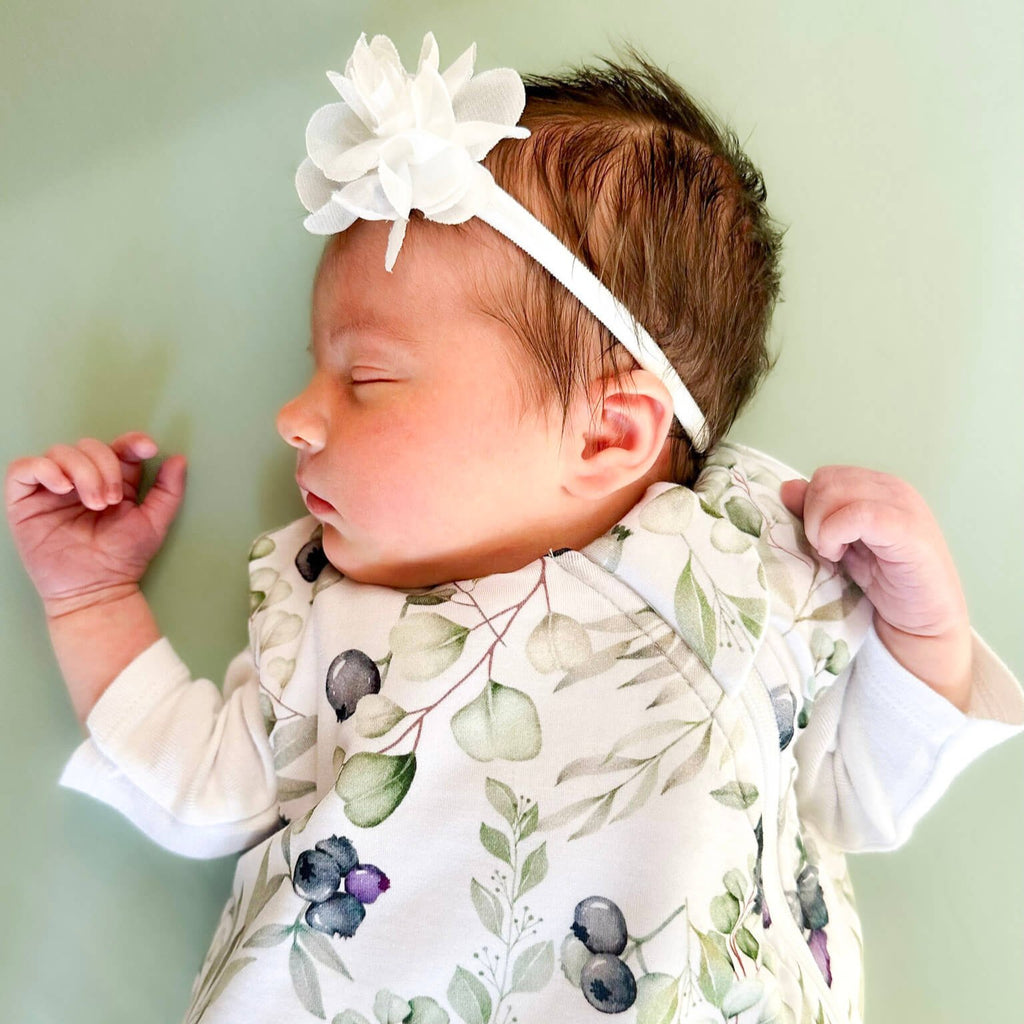
Sleep Sack

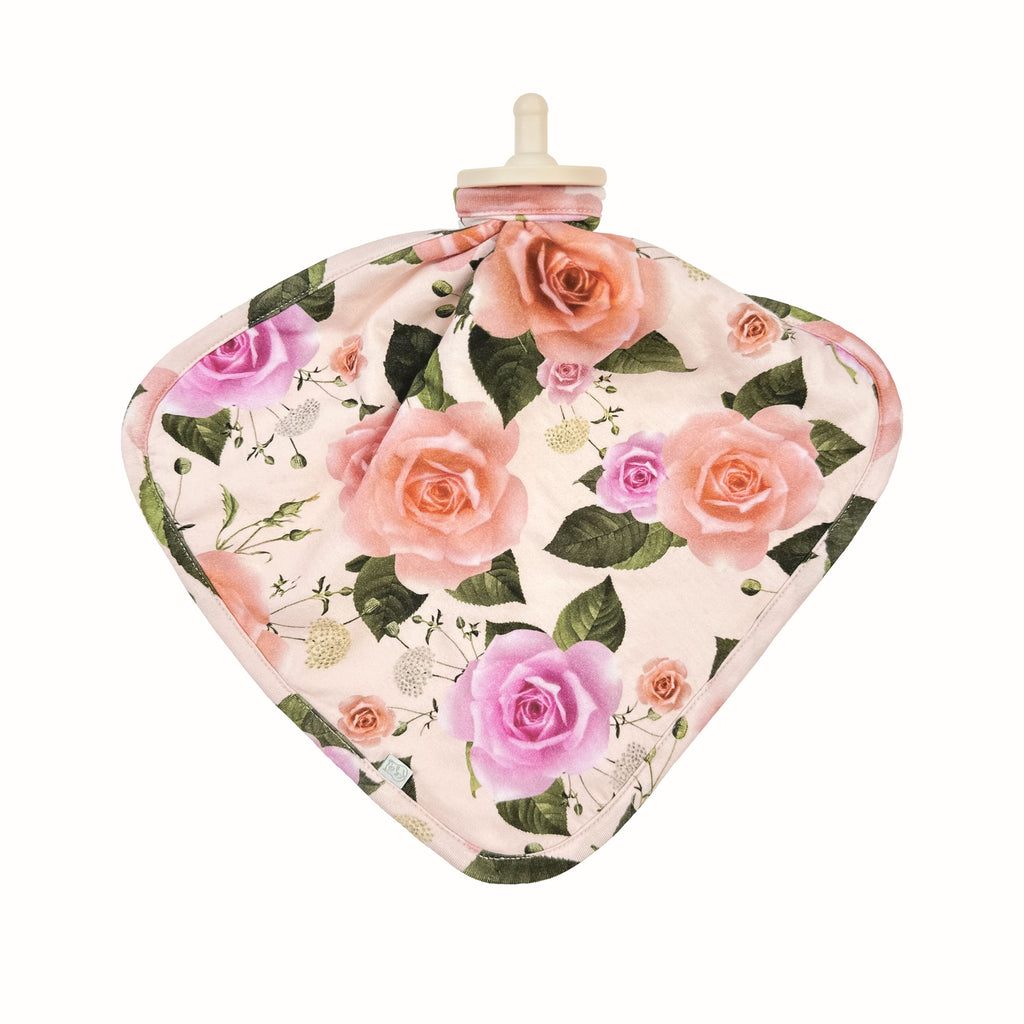

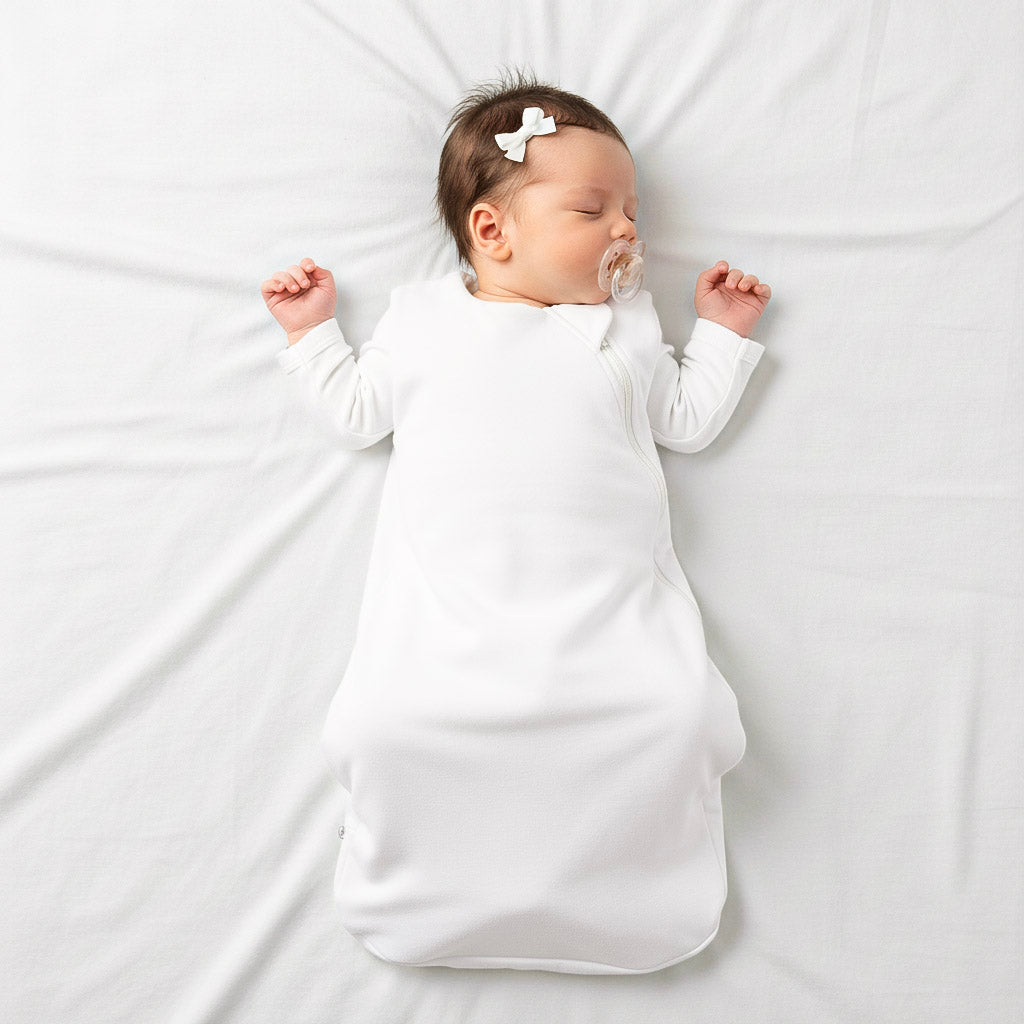
Sleep Sack

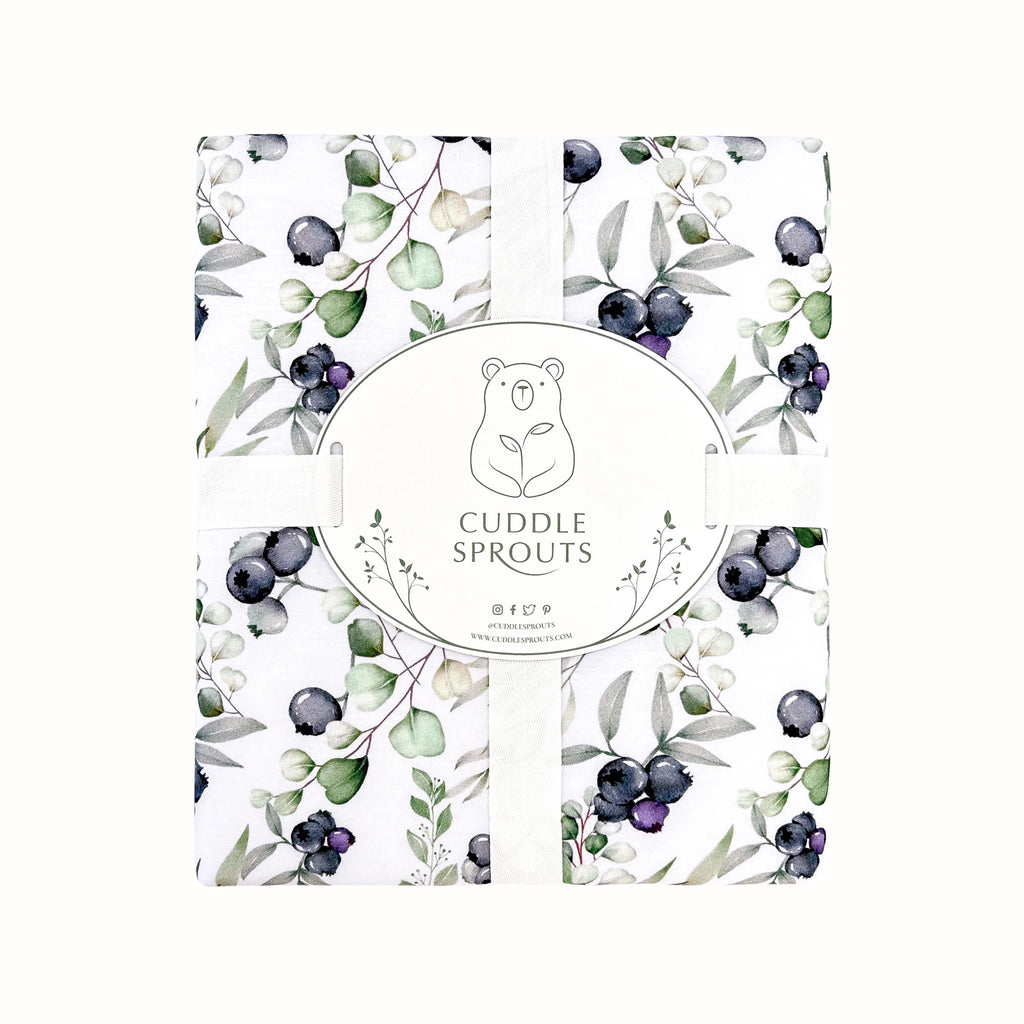
Cuddle Blanket

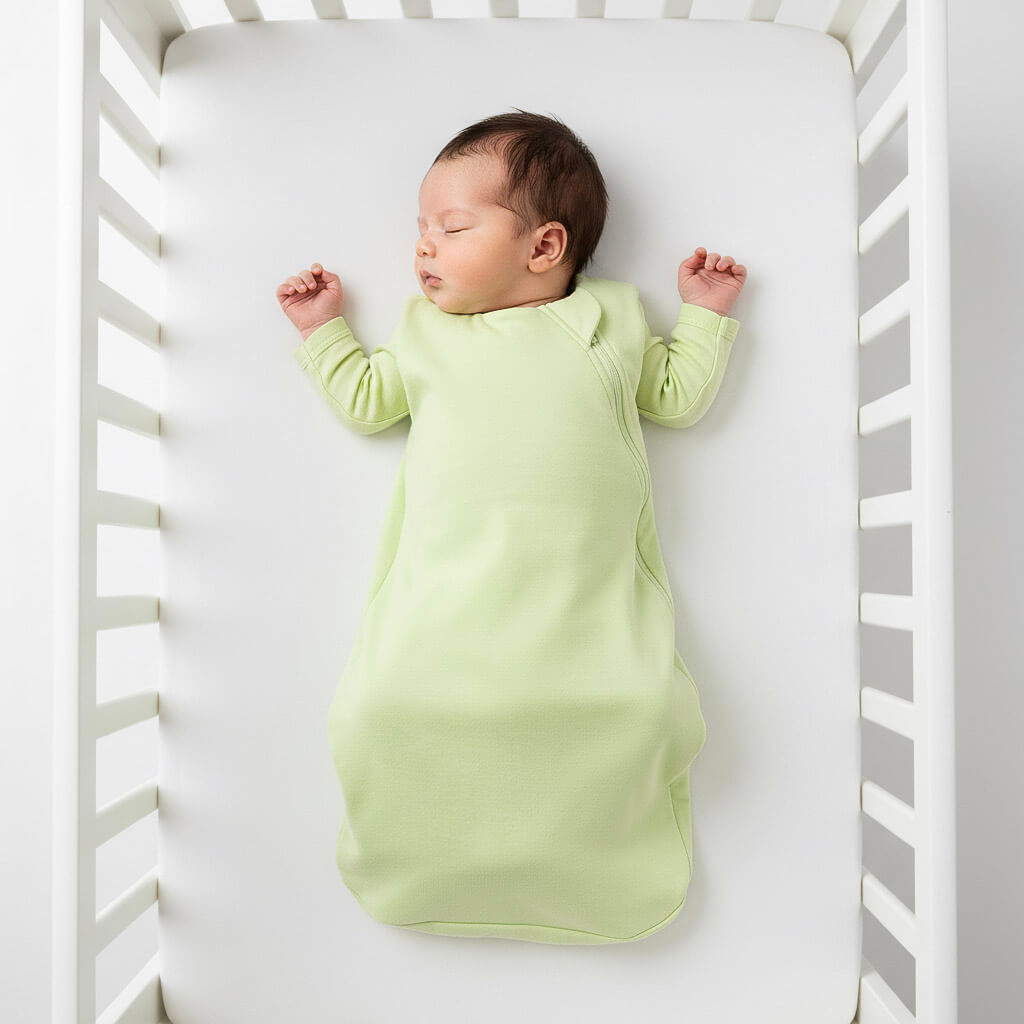
Crib Sheet
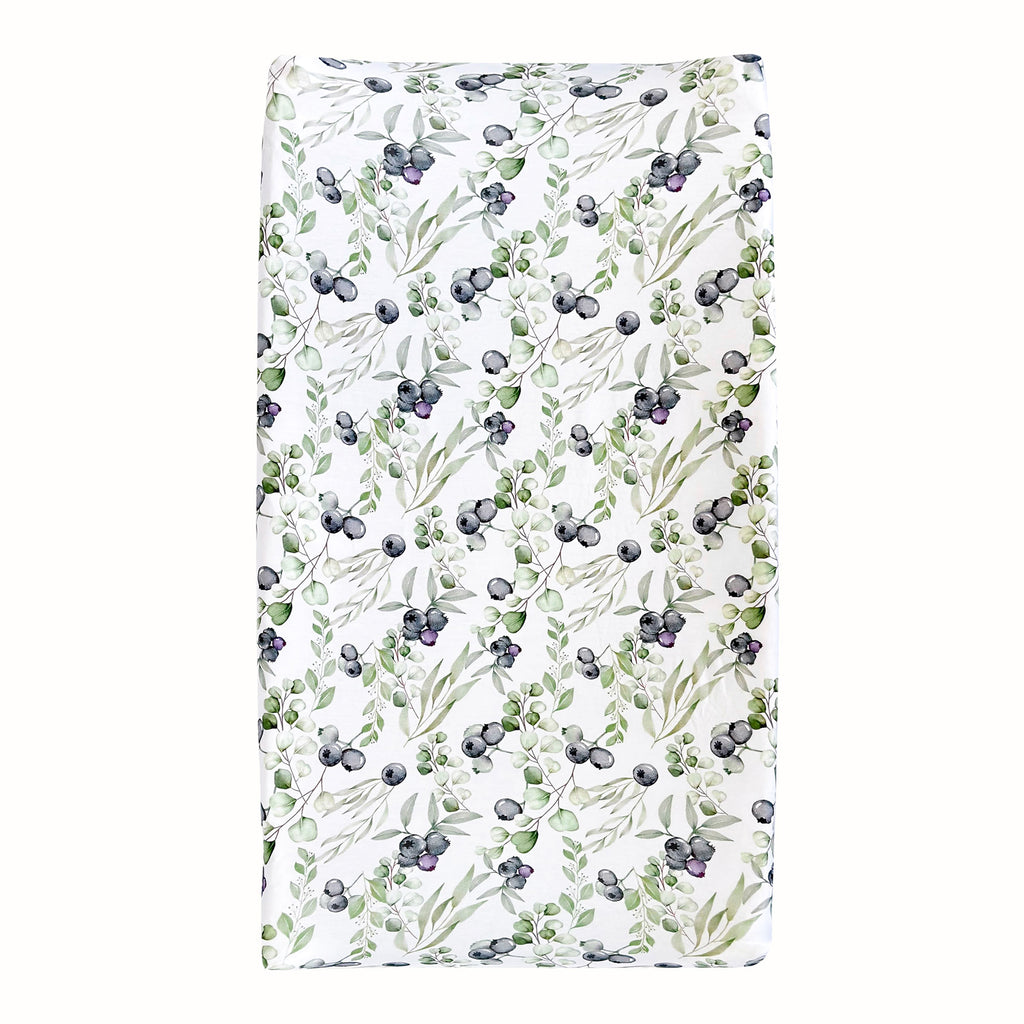
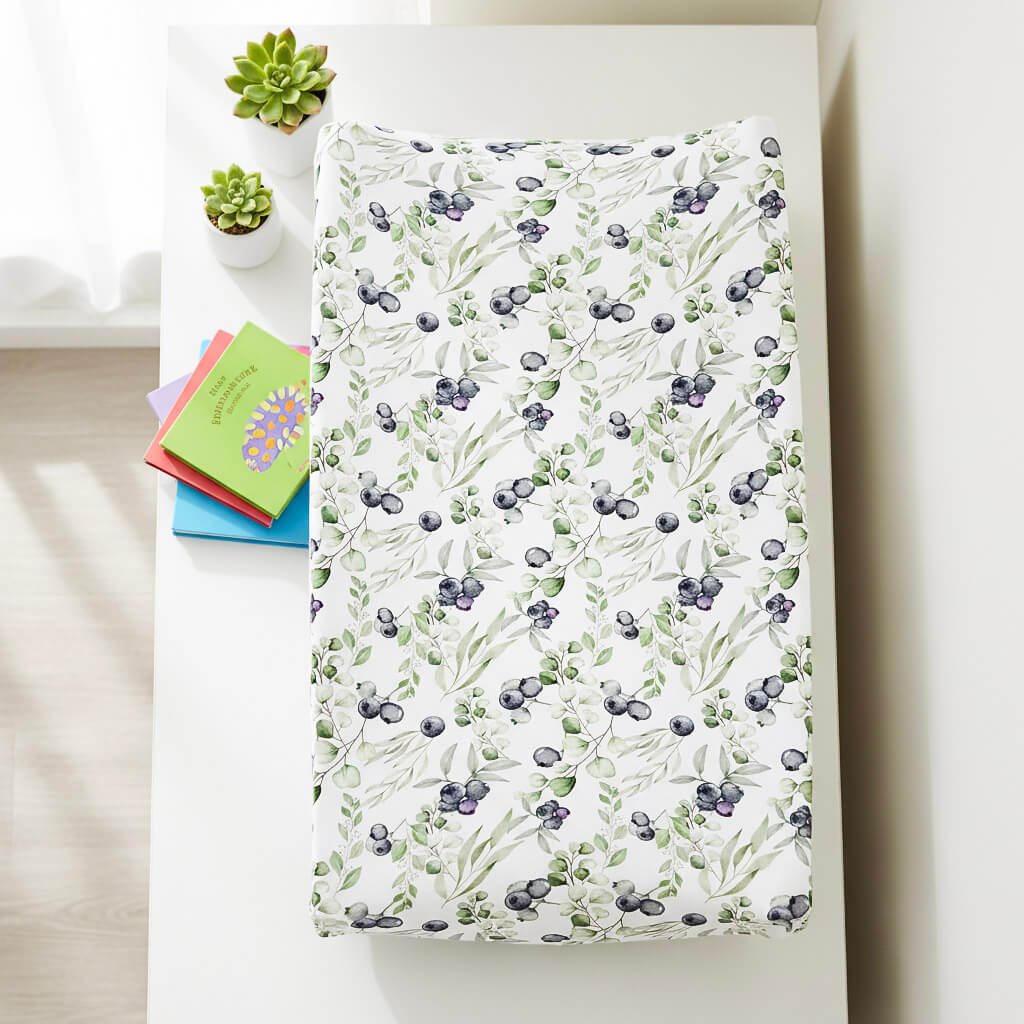
Changing Pad Cover

Sleep Sack

Cuddle Blanket


Sleep Sack
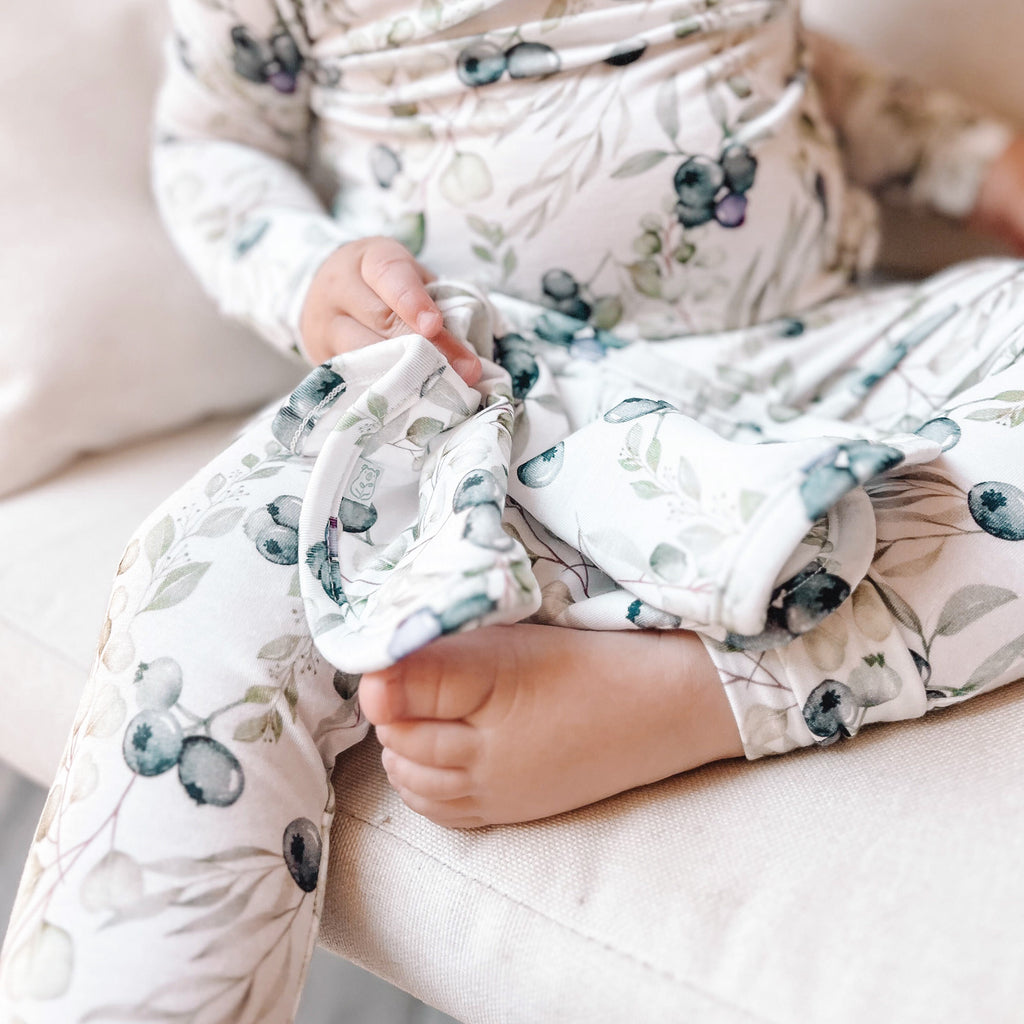
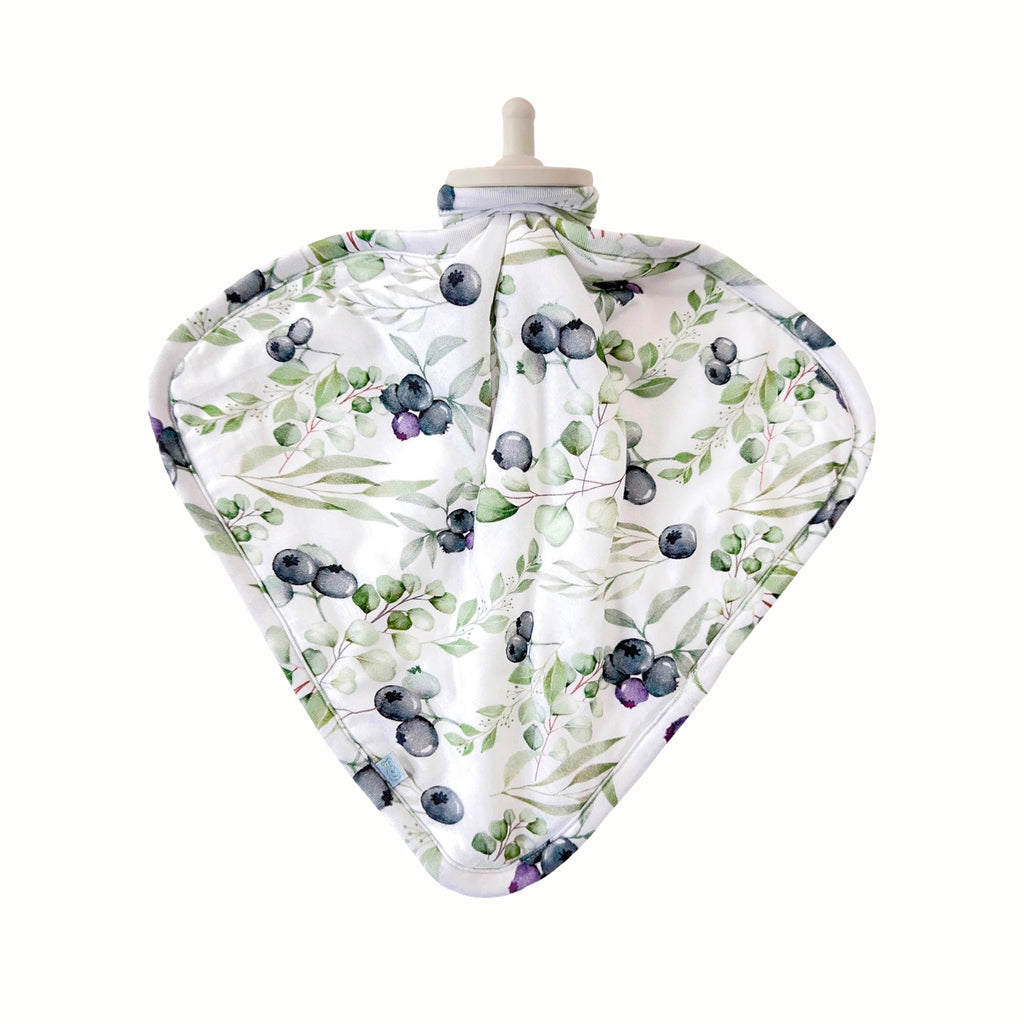
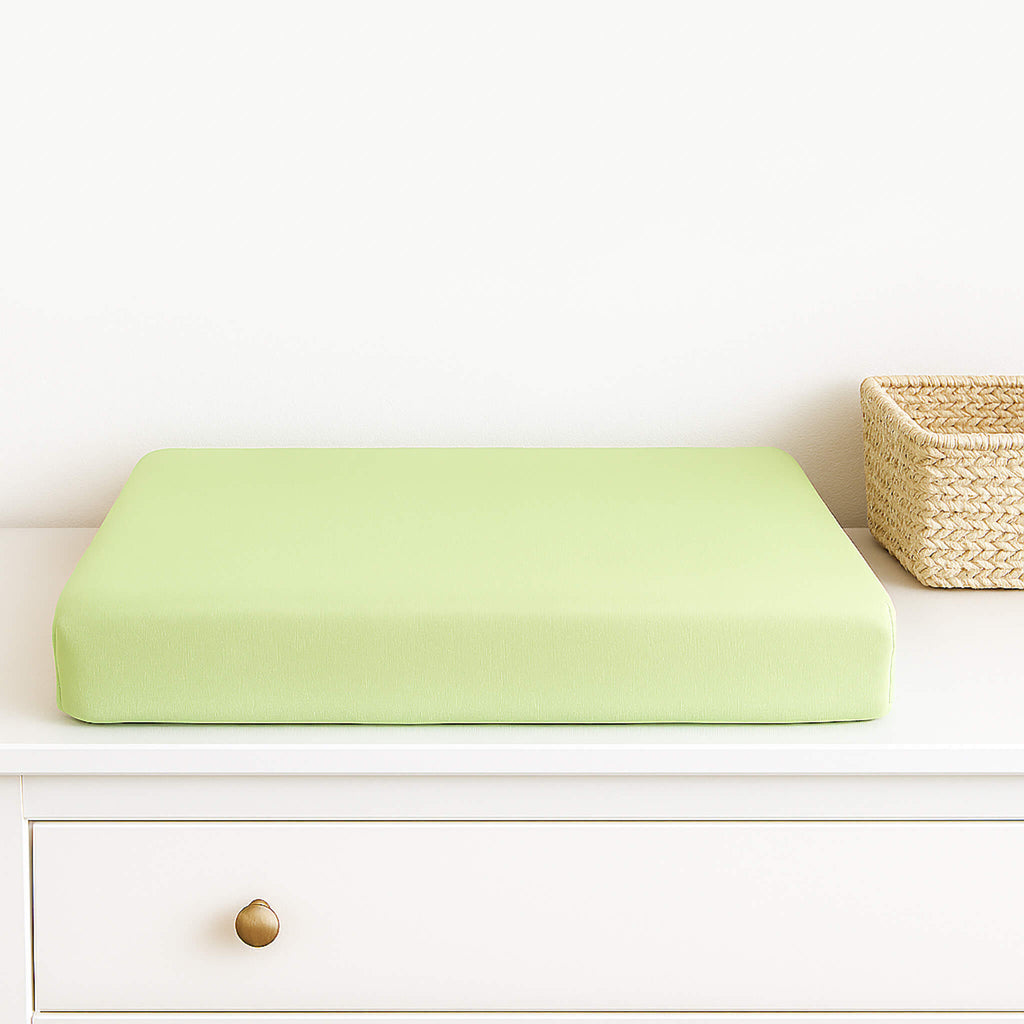
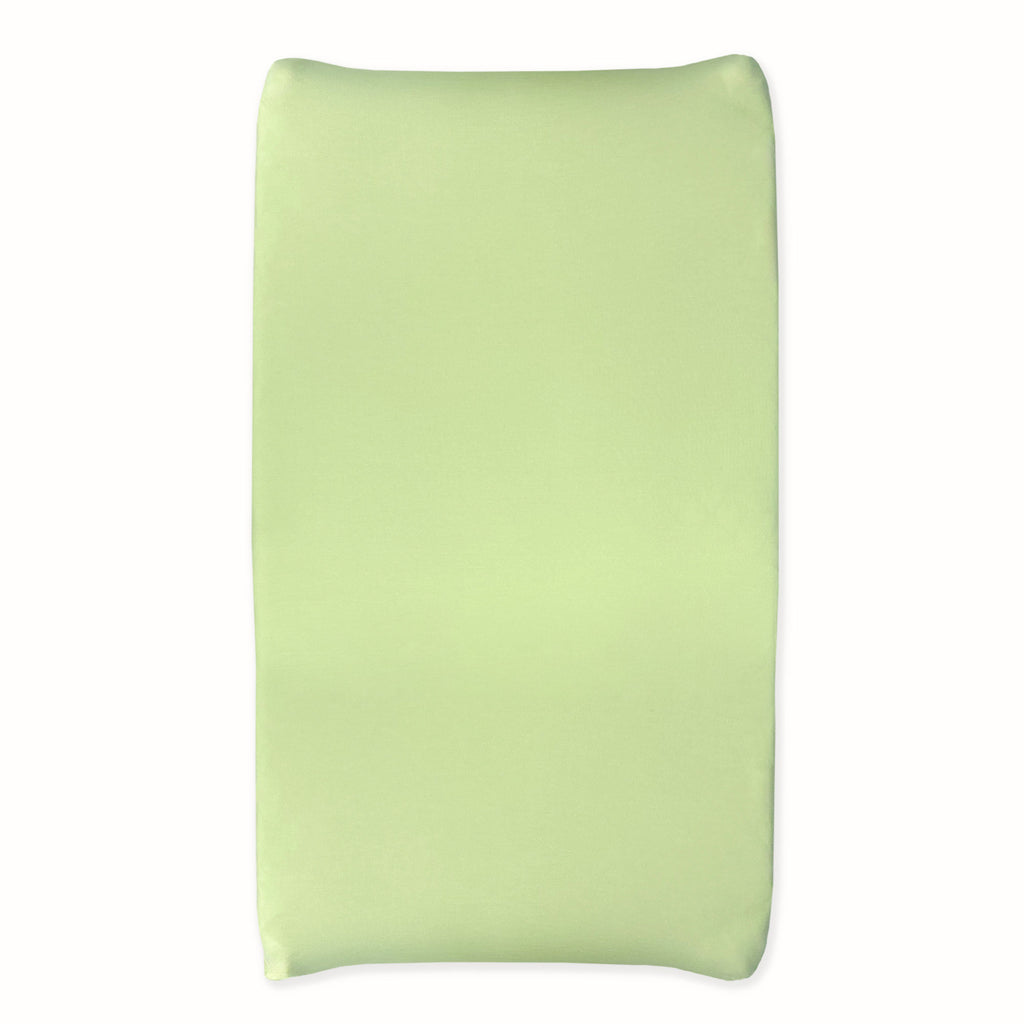
Changing Pad Cover

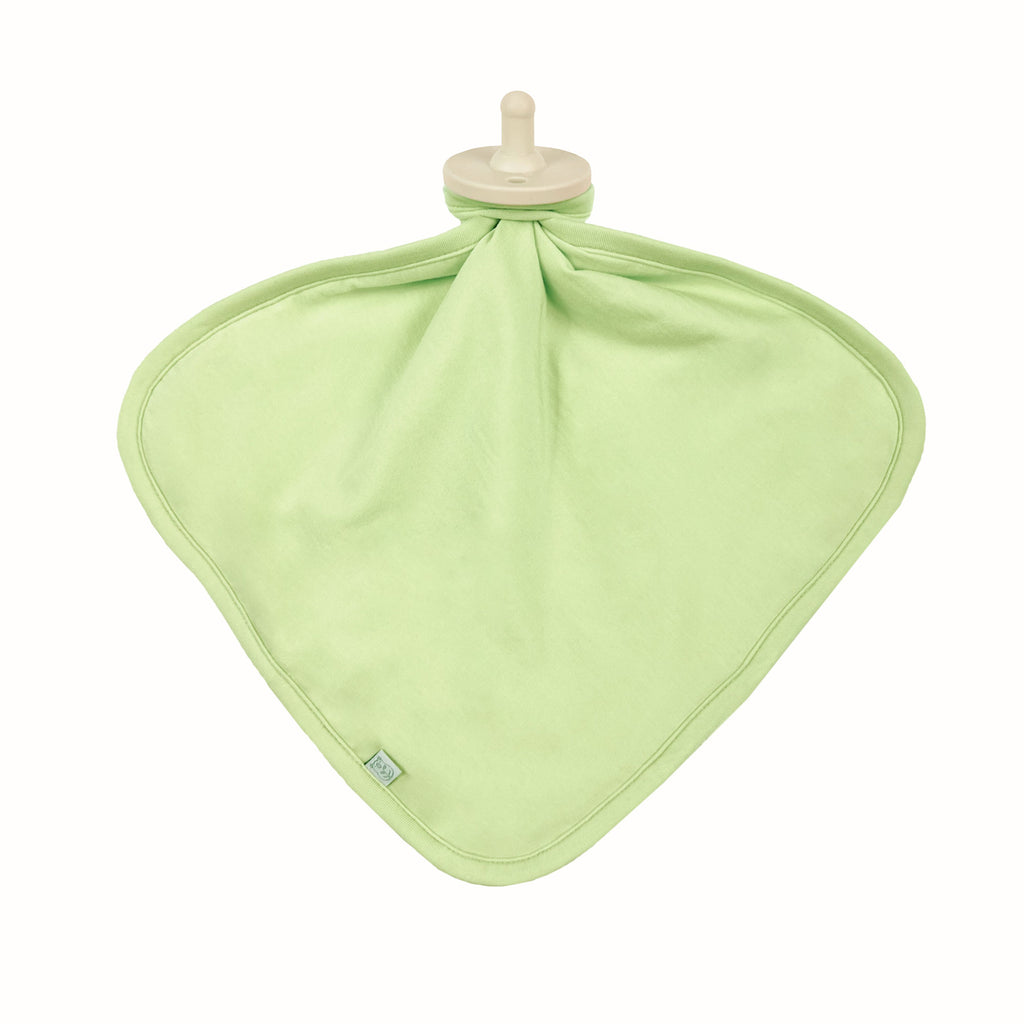
The Perfect Lovey for the Softest Security Blanket
Our loveys are made to offer the cuddly comfort of a baby blanket in a smaller, easy-to-hold size—perfect for naps on the go, stroller walks, car rides, and everyday comfort. Made with our signature TierraLuxe™ fabric, they’re buttery-soft, gentle on sensitive skin, and designed to be well-loved through all those early years.

What are the Benefits of Baby Loveys?
Transitions can be tough for little ones, and a lovey can become a comforting “buddy” that helps support calm routines—especially during nap time, travel, and bedtime wind-down. Many parents also keep a backup lovey (or two) so there’s always one clean and ready when the other is in the wash. For babies under 12 months, safe-sleep guidance recommends keeping soft items out of the sleep space—use fitted crib sheets and a baby sleep sack for warmth instead.
FAQ'S
Keep it part of the routine; cuddle with it during story time, bring it during travel, or use it during calm moments. Familiar scent + routine is often what creates the comfort association.
Loveys are best used with supervision for younger babies. Many families introduce loveys more fully when baby is older and developmentally ready. Always follow safe sleep guidance and your pediatrician’s recommendations.
A lovey is a small security blanket that infants and toddlers can use to promote self-soothing and comfort. Loveys are a form of “transitional object,” providing a sense of emotional support during transitions or when exposed to new experiences and environments. Transitional objects are a great way for babies to gain a sense of independence as they grow. That said, loveys can help provide a sense of comfort to toddlers during bedtime routines, providing a sense of security that helps work through separation anxiety and bedtime-related fears such as the dark or nightmares. In turn, they can snuggle up for a good night’s sleep.
Please note : Until babies reach 12 months old, loveys should not be placed in the crib . Without adult supervision due to suffocation hazards. Until then, babies should only sleep with fitted crib sheets and pacifiers. However, sleep sacks are a perfect solution to providing additional warmth during those first 11 months.
While babies shouldn’t sleep with a lovey until they are 12 months or older, loveys in general can be introduced at any age. Introducing a security blanket at an early age can help establish an emotional bond between your baby and the lovey. While they might not use them for sleep, loveys outside of the crib still provide a sense of emotional support and comfort during transitions and times of emotional distress, uncertainty, or discomfort. Our loveys are designed so they can easily attach to a pacifier, toy, or teether for use at any age.
Loveys are the best when made out of a soft and durable fabric, like Tencel. Our loveys are made with TENCEL™ lyocell fibers to provide long-lasting soft and soothing comfort. Tencel is naturally hypoallergenic, making it a gentle option for delicate skin. The fabric is also highly breathable, absorbent, and moisture-wicking, preventing unwanted bacterial growth or odors. With proper care, your child’s lovey can last for many years of snuggles and cuddles. However, we recommend having a back-up lovey (or two) to keep your baby calm when one is in the wash. The need for washing your lovey, regardless of the material, depends on individual use.
Yes, loveys provide a sense of security and comfort when a baby is struggling with separation anxiety. Research shows that snuggling with a soft and cuddly lovey blanket promotes the release of a feel-good hormone called oxytocin. Oxytocin helps reduce feelings of stress and anxiety during separation and other transitions. Babies with a strong sense of attachment to a lovey have an added sense of reassurance and comfort, providing a sense of security as they explore their independence.

Rewards
Join the Cuddle Club and earn rewards for shopping sustainable styles.

Shipping
Learn more here.

Returns
Have a return? Start your return here.

Customer Care
We’re here to help!
Get in touch with our dedicated customer care team.